
Myth-Busting Roman Travel: What You Really Need to Know


Introduction to Roman Travel
When we think of Roman travel, images of grand chariots and noble Romans meandering through ancient cities often come to mind. However, the reality of travel in ancient Rome was far more complex and intriguing. This blog post aims to debunk common myths and provide a clearer picture of what Roman travel truly entailed.

Myth 1: Romans Only Traveled by Chariot
Contrary to popular belief, chariots were not the primary mode of transportation for Romans. In fact, chariots were mainly used for ceremonial purposes and racing. The average Roman relied on more practical means such as walking, horseback, or using carriages for longer journeys.
Myth 2: Travel Was Exclusive to the Elite
While it’s true that the elite had more resources for travel, it wasn't exclusive to them. Merchants, soldiers, and even common citizens traveled extensively for trade, military campaigns, and personal reasons. The Roman Empire's vast network of roads facilitated this movement, making travel accessible to many.

The Roman Road Network
The Romans were master road builders. The famous saying “All roads lead to Rome” highlights the extensive network that connected the empire. These roads not only facilitated army movements but also enabled efficient trade and communication.
- Via Appia: One of the earliest and most important Roman roads, connecting Rome to Southern Italy.
- Via Egnatia: A vital route in the Balkans, linking the Adriatic Sea to Byzantium.
Myth 3: Inns Were Luxurious
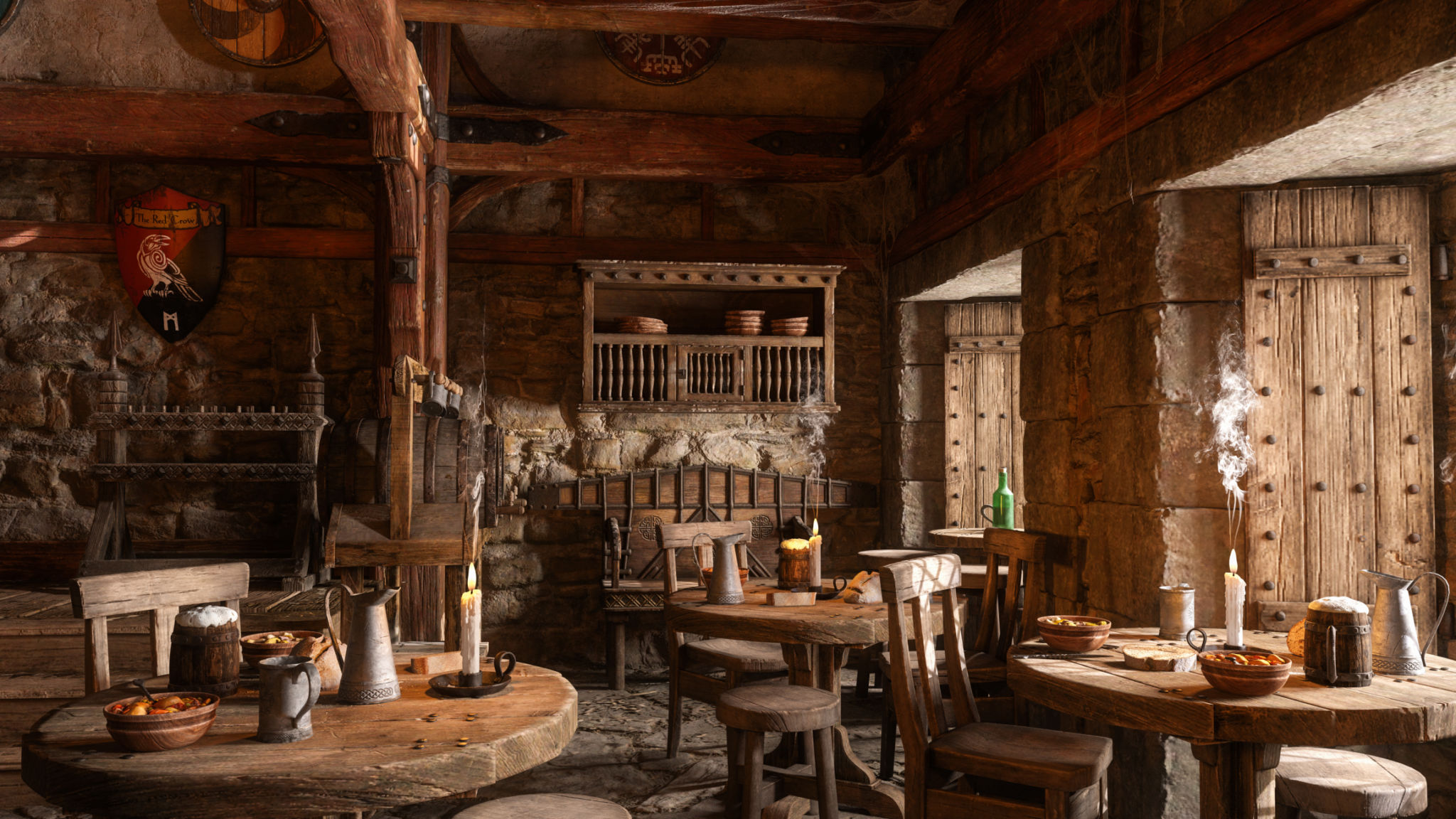
Another common misconception is that Roman inns, or "cauponae," were luxurious. In reality, these accommodations were often basic and crowded. Travelers could expect simple meals and shared sleeping arrangements. Wealthier individuals would stay in private villas or rely on the hospitality of friends along their route.
Travel Documents and Safety
Traveling in the Roman Empire required some documentation, especially for long distances. Passports, known as "diplomas," were issued to officials and soldiers for official business. Safety was a concern, with bandits posing a threat on less traveled routes. However, the presence of Roman legions helped maintain order in most areas.
Myth 4: Sea Travel Was Rare
While land travel was common, sea travel was also significant. The Romans used ships for trade and military purposes, navigating the Mediterranean Sea extensively. However, sea voyages were dependent on weather conditions and were typically avoided during winter months due to storm risks.
Understanding the realities of Roman travel offers a fascinating glimpse into the daily lives of ancient people. By dispelling these myths, we gain a deeper appreciation for the advanced infrastructure and societal dynamics of the Roman Empire.